

FLORIDA FISHING FORECASTS
August 2026 Florida Fishing Forecast
Where to fish, what to catch and how to plan a better Florida fishing trip this August.
August is one of Florida’s most underestimated fishing months. The midday heat may be intense, but the fishing does not stop. It simply rewards anglers who understand seasonal patterns, changing water temperatures, tidal movement and the importance of fishing early, late or around passing summer storms.
Across the state, August brings productive mangrove snapper fishing, late-summer tarpon, snook around beaches and passes, the early stages of the Atlantic mullet migration, offshore mahi and blackfin tuna opportunities, active freshwater bass and peacock bass, and the opening of Florida’s regular spiny lobster season.
It is also an excellent month for a Florida fishing vacation. Families can combine shorter morning trips with beach time and other activities, while serious anglers can take advantage of long daylight hours, diverse fisheries and lighter crowds as the traditional summer travel season begins to slow.
The essential August strategy is simple: start early, watch the weather, fish the strongest tidal windows and select a destination where several fisheries are available within a short run.
Florida’s Best Fishing Opportunities in August
- Mangrove Snapper: A premier August target on Gulf reefs, bridges, wrecks, rock piles and channel edges.
- Tarpon: Late-season fish remain available along Panhandle beaches, Gulf passes, coastal bays and parts of South Florida.
- Snook: Excellent catch-and-release action around passes, beaches, bridges, inlets and lighted structure.
- Mahi-Mahi: Scattered schools remain available offshore, particularly along the Atlantic Coast and Florida Keys.
- Blackfin Tuna: Strong opportunities around Gulf Stream edges, offshore humps, reefs and deeper structure.
- Permit: Wrecks, reefs, channel edges and flats can produce memorable late-summer encounters.
- Peacock Bass: South Florida’s canal systems remain active even during the hottest part of summer.
- Largemouth Bass: Early topwater action and precise presentations around deep vegetation can produce trophy fish.
- Spiny Lobster: Florida’s regular recreational season begins August 6.
August 2026 Red Snapper Season Update
Red snapper regulations depend on the type of vessel, the coast being fished and whether the trip occurs in state or federal waters.
Florida’s 2026 private recreational Gulf red snapper summer season runs from May 22 through July 31. That season is closed during August and reopens September 1.
The fall private recreational Gulf season begins with daily fishing from September 1 through October 4. Additional Friday-through-Sunday weekends, holiday periods and selected winter dates continue through January 4, 2027.
However, August red snapper trips are still available aboard qualifying federally permitted Gulf charter and headboat vessels. The 2026 federal for-hire Gulf red snapper season opened June 1 and remains open through October 25, closing at 12:01 a.m. local time on October 26.
That distinction matters. Private recreational anglers cannot harvest Gulf red snapper during August, but anglers booking an eligible federally permitted for-hire vessel may still have a legal August red snapper opportunity.
Always confirm the vessel’s permits, the waters being fished, current bag limits and current regulations directly with the captain before booking.
Review Florida Gulf red snapper regulations | Review the 2026 federal for-hire season
August Florida Saltwater Fishing Forecast
Florida’s saltwater opportunities remain remarkably diverse in August. Warm water concentrates some fish around deeper channels, shaded structure, bridge pilings and areas with current, while baitfish begin gathering in ways that can trigger explosive inshore and nearshore feeding.
Along the Gulf Coast, mangrove snapper are among the most dependable targets of the month. Reefs, wrecks, bridges, rock piles and channel edges can all hold fish. Chumming and presenting appropriately sized live baits or cut bait on light fluorocarbon leaders can be highly effective, especially during lower-light periods and moving water.
Snook harvest is closed in Florida management regions during August, but catch-and-release action can be excellent. Beaches, passes, bridges, inlets and lighted docks may all hold fish. Anglers should minimize fight times, keep fish in the water whenever possible and use careful release practices during periods of extreme heat.
Tarpon remain available in several regions, although their locations may become less predictable than during the primary spring migration. Late-season fish may be encountered along beaches, in coastal bays, around passes and near concentrations of bait.
Offshore, August can produce mahi-mahi, blackfin tuna, wahoo, king mackerel, sailfish and a variety of reef species. Conditions can change quickly, so productive trips often depend on current edges, floating debris, weed lines, temperature changes, bait concentrations and the captain’s recent local knowledge.
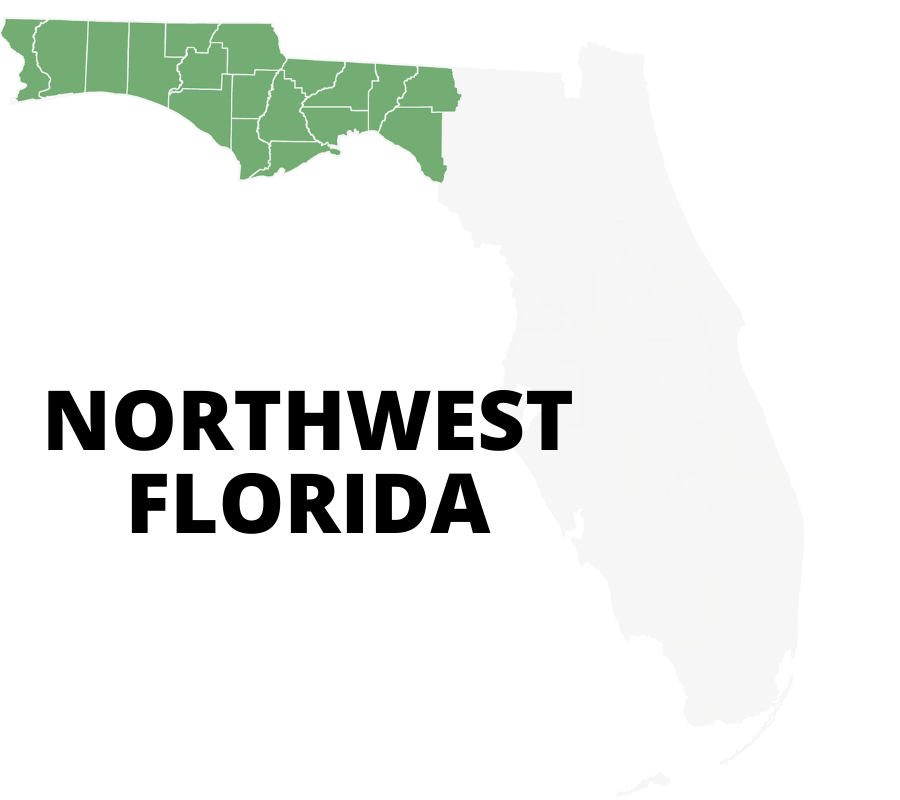
Northwest Florida Fishing Forecast
Primary destinations: Pensacola, Destin, Panama City Beach, Port St. Joe, Apalachicola and St. George Island.
Best August targets: Mangrove snapper, vermilion snapper, tarpon, king mackerel, mahi-mahi, blackfin tuna, tripletail and deepwater species.
Northwest Florida offers one of August’s broadest combinations of nearshore and offshore fishing. Mangrove and vermilion snapper can provide dependable reef action, while king mackerel patrol nearshore structure and bait concentrations.
Late-running tarpon may still appear along beaches and inside St. Joseph Bay, St. George Sound and other bait-rich coastal areas. Sight-fishing opportunities are best during calm mornings when rolling fish and bait movement are easier to detect.
Tripletail may be found around floating structure, markers and other objects holding bait. Offshore crews can search weed lines, current edges and deeper water for mahi-mahi, blackfin tuna and occasional wahoo.
Federally permitted Gulf charter vessels may also continue targeting red snapper during August under the federal for-hire season. Anglers specifically seeking red snapper should verify that the selected vessel holds the required federal reef fish permit.
Northwest Florida Trip Strategy
Book an early departure and choose a captain who can adjust between reef, nearshore and offshore fishing based on weather. Destin, Panama City Beach and Pensacola provide extensive charter options, while Port St. Joe and Apalachicola offer access to a quieter combination of bay, nearshore and offshore fisheries.
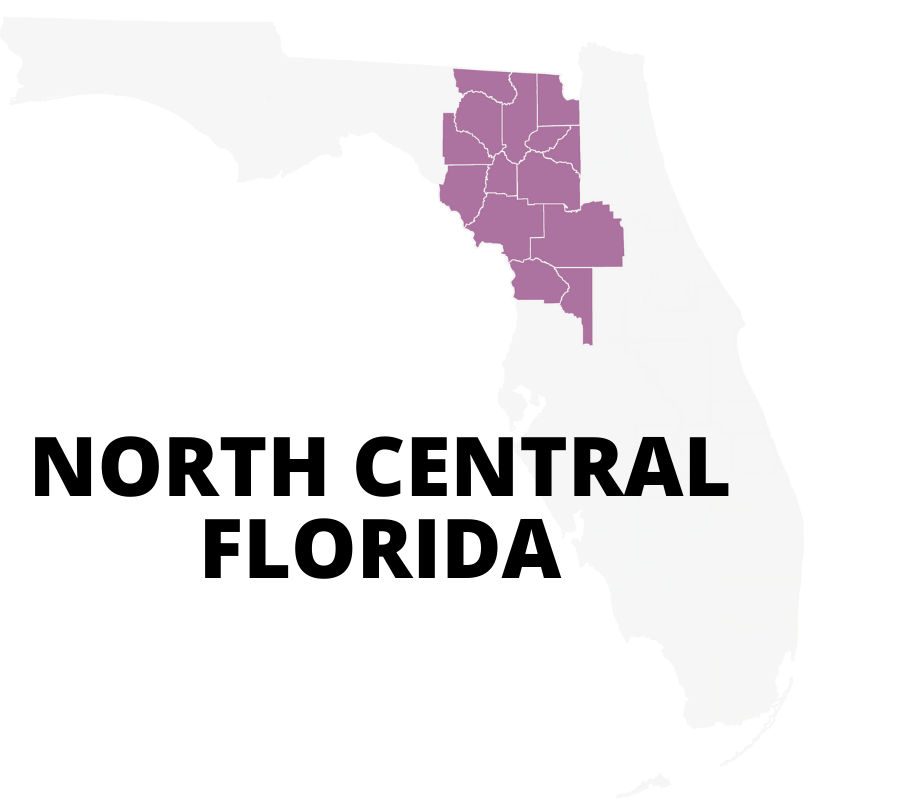
North Central Florida and Big Bend Fishing Forecast
Primary destinations: Steinhatchee, Keaton Beach, Cedar Key, Crystal River, Homosassa and surrounding Big Bend communities.
Best August targets: Spotted seatrout, redfish, mangrove snapper, black drum, tripletail and coastal sharks.
The Big Bend’s shallow coastline is built around grass flats, oyster bars, creek mouths, rocky bottom and tidal movement. During August, water temperature becomes a central factor. Early mornings, deeper edges and areas influenced by springs or stronger current often provide the most comfortable conditions for both bait and gamefish.
Spotted seatrout may shift toward deeper grass, channels and drop-offs as the sun rises. Redfish can be found around oyster bars, creek entrances and shorelines holding mullet or other bait. Mangrove snapper remain a dependable option around rocky structure, channel edges and artificial reefs.
Crystal River and Homosassa anglers can also explore spring-influenced water, where temperature differences may concentrate bait and fish during the hottest periods.
Big Bend Trip Strategy
Plan around tide movement rather than simply choosing a convenient departure time. In shallow Big Bend waters, adequate depth can determine which flats, creek mouths and shorelines are accessible. A local guide can reduce travel time and help visitors safely navigate rocky, tide-sensitive areas.
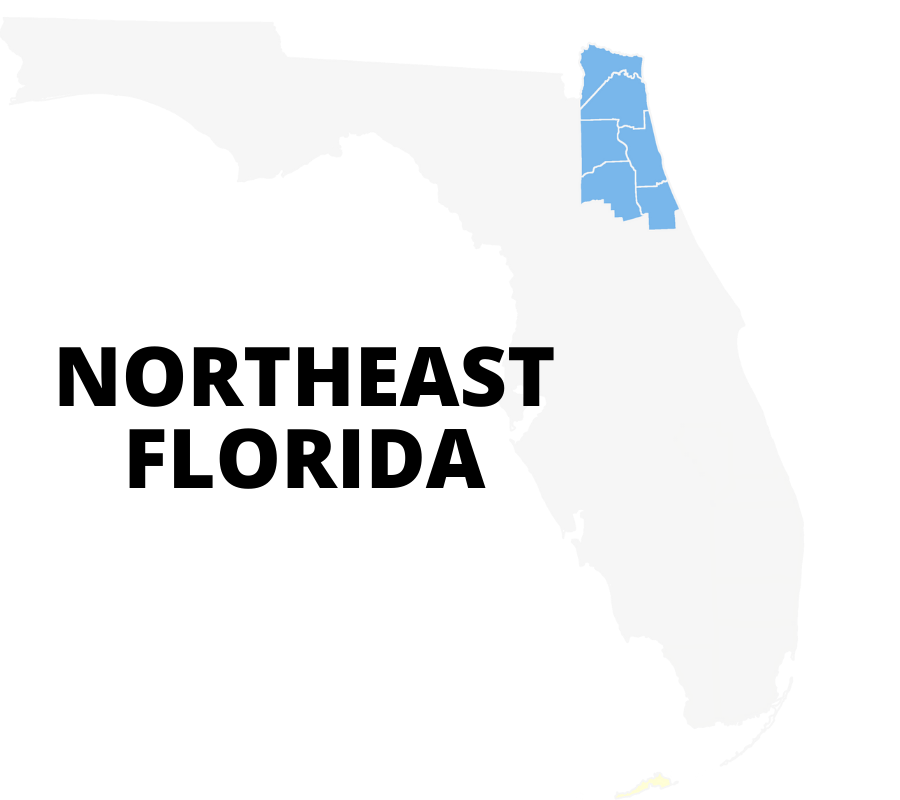
Northeast Florida Fishing Forecast
Primary destinations: Fernandina Beach, Amelia Island, Jacksonville, Ponte Vedra Beach, St. Augustine and Palm Coast.
Best August targets: Redfish, tarpon, jack crevalle, sharks, flounder, mangrove snapper, king mackerel and cobia.
August can signal the beginning of one of Northeast Florida’s most important seasonal transitions: the gradual buildup toward the fall mullet migration. The full migration generally strengthens later, but early concentrations of mullet can already draw tarpon, bull redfish, jack crevalle, sharks and other predators toward inlets, beaches and river mouths.
Flood tides may create opportunities to sight-fish tailing redfish on flooded grass, particularly around the expansive marsh systems near Amelia Island and Jacksonville. Around St. Augustine, inlet structure, bridges, docks and deeper channel edges can produce redfish, mangrove snapper, flounder and other species.
Nearshore anglers should watch for bait schools, diving birds and surface activity from king mackerel, tarpon, sharks and jack crevalle.
Northeast Florida Trip Strategy
Choose a destination that allows the captain to move between marsh, inlet, beach and nearshore fishing. This flexibility is valuable when tides, wind or bait movement change the morning’s original plan.
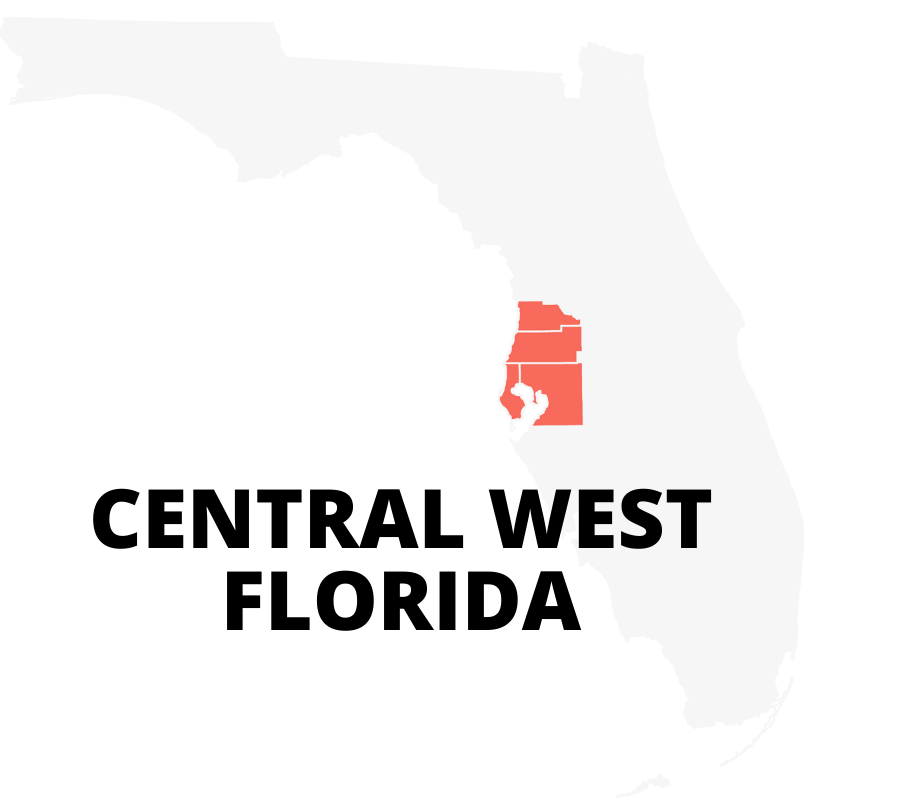
Central West Florida Fishing Forecast
Primary destinations: Tampa Bay, Clearwater, St. Petersburg, Tarpon Springs, Anna Maria Island and Sarasota.
Best August targets: Mangrove snapper, catch-and-release snook, redfish, tarpon, black drum, permit and offshore reef species.
Mangrove snapper are one of Central West Florida’s signature August fisheries. Bridges, rock piles, channel edges, reefs and wrecks can all produce fish, especially when current and chum bring feeding fish away from structure.
Snook stage around passes, beaches, bridges and areas with moving water. Although harvest remains closed during August, careful catch-and-release fishing can provide excellent action. Redfish may gather around mangrove shorelines, oyster bars, deeper potholes and flats with active bait.
Tarpon can still be found around Tampa Bay bridges, passes, beaches and bait concentrations, although the predictable spring migration has passed. Permit may hold around wrecks and deeper structure.
Central West Florida Trip Strategy
A productive August plan may combine an early inshore session with mangrove snapper fishing after sunrise. Families should consider a four- or six-hour morning trip rather than remaining exposed through the hottest and stormiest portion of the afternoon.
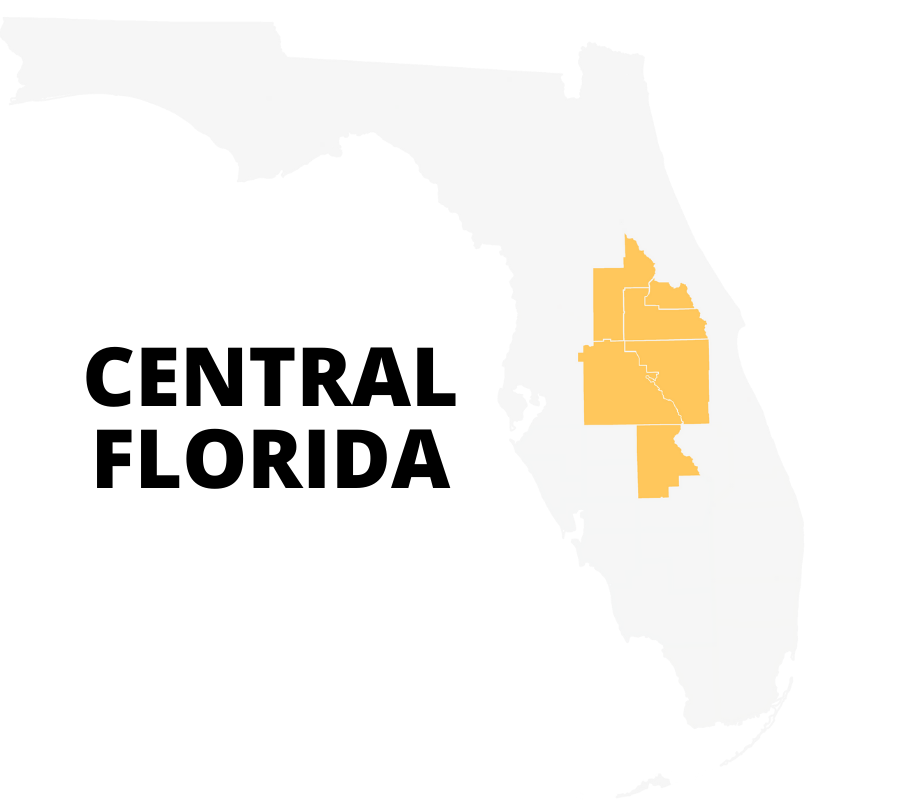
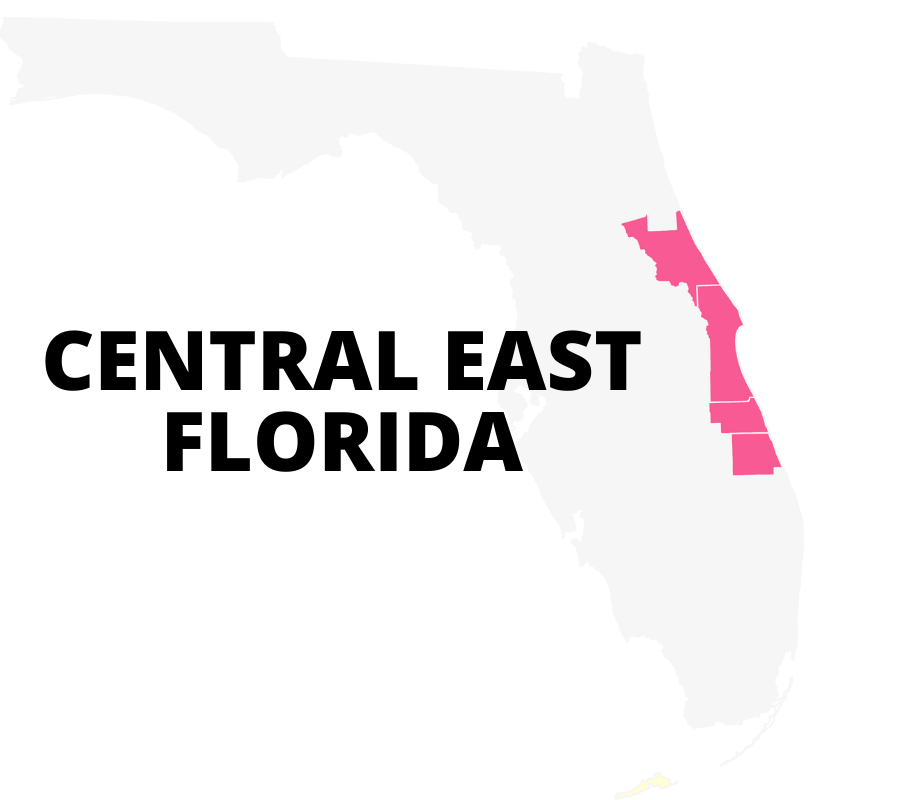
Central East Florida Fishing Forecast
Primary destinations: Daytona Beach, New Smyrna Beach, Cape Canaveral, Cocoa Beach, Sebastian and Vero Beach.
Best August targets: Snook, tarpon, king mackerel, blackfin tuna, mahi-mahi, redfish, sharks and mangrove snapper.
Central East Florida is another region where August begins building toward the fall bait migration. Sebastian Inlet, Ponce Inlet, Port Canaveral and nearby beaches can come alive when mullet, glass minnows and other forage gather along current lines and structure.
Catch-and-release snook and tarpon are major inshore and inlet targets. Redfish, mangrove snapper, sharks, jack crevalle and occasional flounder add variety around channels, docks and inlet structure.
Offshore reefs can hold king mackerel, bonito and blackfin tuna. Farther offshore, mahi-mahi may be found around weed lines, floating debris, temperature changes and current edges.
Central East Florida Trip Strategy
Monitor recent offshore reports before committing to a long run. When mahi are scattered, a nearshore or inlet trip may deliver more consistent action. Visitors staying near Daytona Beach, Cocoa Beach or Sebastian can select among surf, inlet, lagoon and offshore experiences without changing destinations.
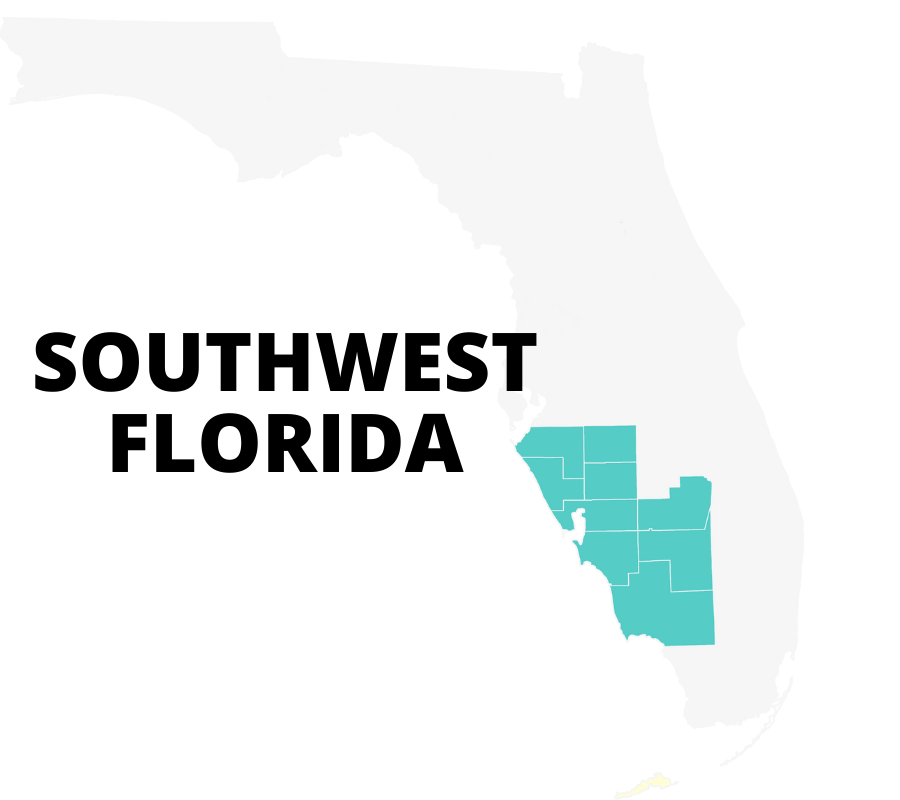
Southwest Florida Fishing Forecast
Primary destinations: Boca Grande, Charlotte Harbor, Fort Myers, Cape Coral, Sanibel, Naples, Marco Island and the Ten Thousand Islands.
Best August targets: Catch-and-release snook, tarpon, redfish, mangrove snapper, permit, sharks and jack crevalle.
Southwest Florida’s late-summer fishing is shaped by tidal flow, freshwater runoff, bait movement and water temperature. Boca Grande Pass may still hold tarpon, while additional fish roam Charlotte Harbor, coastal beaches and deeper channels.
Snook are available around beaches, passes, bridges, mangrove shorelines and dock lights. Harvest is closed throughout August and remains closed through September in the Charlotte Harbor and Southwest management regions, making careful catch-and-release practices essential.
Mangrove snapper can be targeted around bridges, docks, rock piles and nearshore structure. Permit may be encountered around wrecks, reefs and channel edges, while redfish can gather around mangrove islands, creek mouths and oyster-lined shorelines.
Southwest Florida Trip Strategy
Fish the strongest moving-water period available during the cooler half of the day. In the Ten Thousand Islands, a shallow-water guide can build a trip around protected mangrove shorelines when offshore or open-bay conditions become uncomfortable.
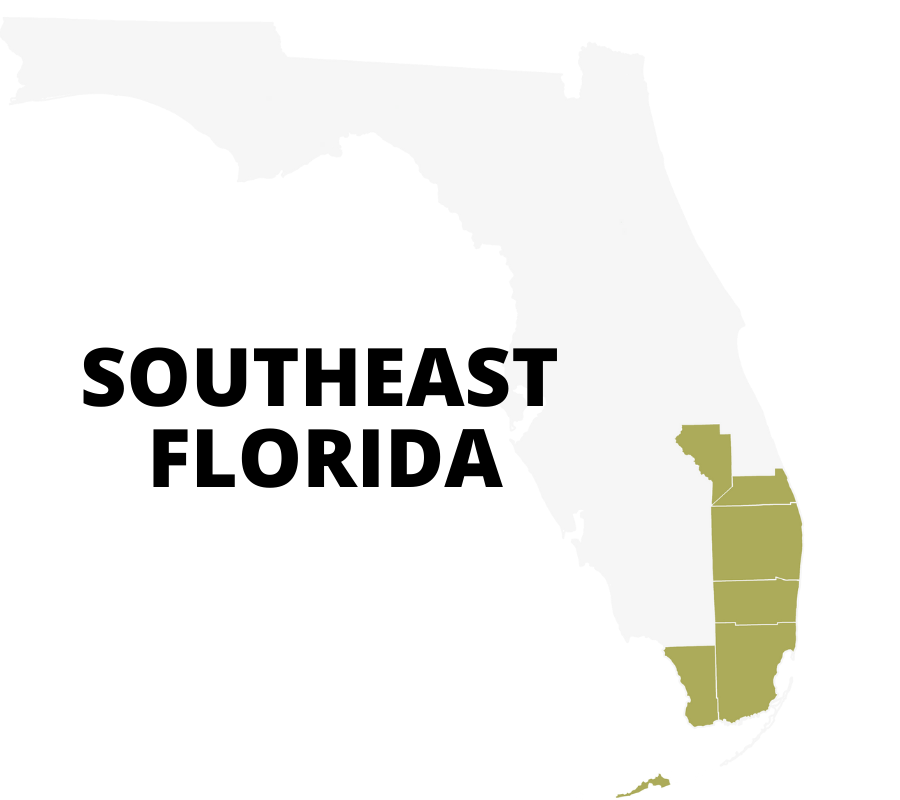
Southeast Florida Fishing Forecast
Primary destinations: Palm Beach, Fort Lauderdale, Miami, Biscayne Bay and the South Florida canal system.
Best August targets: Mahi-mahi, blackfin tuna, sailfish, swordfish, wahoo, catch-and-release snook, peacock bass and largemouth bass.
The Gulf Stream keeps major offshore fishing opportunities close to shore in Southeast Florida. August crews search current edges, weed lines, floating debris and areas holding flying fish or other bait for mahi-mahi. Blackfin tuna, wahoo and sailfish may also be encountered, while deep-drop and swordfish trips create additional options for experienced offshore anglers.
Along the beaches and inlets, snook remain a premier catch-and-release target. Early mornings, evenings and periods of strong current are generally more productive than the brightest part of the day.
South Florida’s freshwater canals provide an important alternative when offshore weather deteriorates. Butterfly peacock bass remain active in warm water and can be caught around bridges, canal intersections, seawalls, culverts, vegetation and deeper cuts.
Southeast Florida Trip Strategy
Build flexibility into the itinerary. An offshore trip can be replaced by a peacock bass or urban canal trip if wind or thunderstorms make ocean conditions unsuitable. That ability to pivot is one of South Florida’s greatest fishing-travel advantages.
Florida Keys Fishing Forecast
Primary destinations: Key Largo, Islamorada, Marathon, Big Pine Key and Key West.
Best August targets: Spiny lobster, yellowtail snapper, mutton snapper, mahi-mahi, blackfin tuna, swordfish, bonefish, permit and tarpon.
August is one of the most varied months in the Florida Keys. Reef fishing remains productive for yellowtail snapper and other reef species, while wrecks and deeper structure can hold mutton snapper, African pompano and additional bottomfish.
Offshore anglers can search for mahi-mahi around birds, weed lines, floating debris and current edges. Blackfin tuna are possible around offshore humps and productive current zones, while daytime swordfish trips remain an option for specialized crews.
On the flats, calm mornings and evenings may produce bonefish, permit and resident tarpon. Water temperature can become extreme in shallow areas, so guides often focus on periods with current, cloud cover or lower light.
Florida Spiny Lobster Season
Florida’s regular recreational spiny lobster season opens August 6 and continues through March 31. Lobster trips can be an excellent family experience, but participants must understand measurement requirements, bag limits, protected areas, equipment rules and dive-flag requirements before entering the water.
Review current Florida spiny lobster regulations
Florida Keys Trip Strategy
Choose the Keys destination according to the experience desired. Key Largo and Islamorada offer convenient reef and offshore access. Marathon combines reef, offshore and family-oriented options. The Lower Keys and Key West provide access to flats, backcountry, reef, wreck and bluewater fishing.
Best Freshwater Fishing in Florida During August
August heat does not eliminate Florida’s freshwater fishing. It changes where and when the fish feed.
The most obvious bite often occurs at first light, when largemouth bass may strike frogs, walking baits, buzzbaits and other topwater presentations around grass edges, pads, reeds and shallow cover. As the sun rises, fish commonly move beneath vegetation, toward deeper edges or into shaded areas where precise presentations become more important.
Afternoon thunderstorms can temporarily cool surface water, increase flow and stimulate feeding. Anglers must never remain exposed during lightning, but the period after a storm may create a productive window when conditions become safe again.
Kissimmee Chain of Lakes
Primary target: Largemouth bass.
The Kissimmee Chain offers extensive vegetation, hydrilla, lily pads, reeds and offshore grass. Early topwater fishing can be excellent before bass settle beneath mats or along deeper vegetation edges.
After sunrise, punching heavy vegetation, working large worms and slowly fishing edges with sufficient depth can produce better results than covering large areas quickly.
Harris Chain of Lakes
Primary targets: Largemouth bass, crappie and panfish.
The Harris Chain’s canals, offshore vegetation, shell beds, brush and deeper structure can all hold fish during August. Bass anglers should focus on current, shade, healthy vegetation and transitions between shallow cover and deeper water.
For families, bluegill and other panfish provide a more accessible option around docks, vegetation and shaded shoreline cover.
St. Johns River and Spring-Fed Waters
Primary targets: Largemouth bass, striped bass, hybrid bass, panfish and catfish.
Flowing water and spring-influenced areas can become increasingly important during extreme heat. Current seams, deeper holes, shaded banks, creek mouths and areas with cooler water may hold concentrated fish.
Anglers should respect special regulations and boating restrictions around springs, conservation areas and designated zones.
Rodman Reservoir
Primary target: Trophy largemouth bass.
Rodman’s vegetation, timber and deeper channels create prime summer ambush habitat. Early topwater fishing may give way to punching mats, working channel edges and placing soft plastics precisely around heavy cover.
Heavy tackle is often necessary to move large fish away from vegetation and submerged timber.
South Florida Peacock Bass Fishing
Primary targets: Butterfly peacock bass, largemouth bass and other nonnative freshwater species.
Unlike largemouth bass, peacock bass generally remain active in warm water. Miami-Dade and Broward canal systems can produce fish around bridges, culverts, canal intersections, seawalls, shade lines and deeper cuts.
Fast-moving lures can trigger aggressive fish, while live shiners remain one of the most dependable approaches. Because canal conditions and access vary, first-time visitors benefit from booking a guide familiar with the local system.
August Fishing Regulations and Seasonal Closures
- Private recreational Gulf red snapper: Closed during August. The fall season reopens September 1.
- Federally permitted Gulf for-hire red snapper: Open during August and scheduled to continue through October 25, 2026.
- Atlantic red snapper: Regulations and special permit requirements differ from Gulf regulations. Confirm all current rules before targeting or harvesting fish.
- Gulf greater amberjack: Recreational harvest remains closed during August and is scheduled to open September 1.
- Snook: Recreational harvest is closed statewide during August. Regional reopening dates differ.
- Spiny lobster: Regular recreational season opens August 6 and continues through March 31.
Fishing seasons, emergency closures, bag limits and regional boundaries can change. Before every trip, consult the Florida Fish and Wildlife Conservation Commission, NOAA Fisheries and the captain or guide operating the trip.
Check Florida saltwater fishing regulations
How to Plan a Better August Fishing Trip
Fish Early or Late
Morning trips generally offer cooler air, lower water temperatures and more dependable topwater or shallow-water activity. Evening and nighttime trips can also be productive around bridges, docks, passes and lighted structure.
Plan Around Moving Water
Tide movement is often more important than the clock. Strong current can concentrate bait, improve oxygen levels and activate fish around bridges, inlets, channel edges and reefs.
Watch the Weather Aggressively
Florida thunderstorms can develop quickly during August. Review marine forecasts, radar, wind direction and lightning activity. Follow the captain’s judgment and never remain on exposed water when lightning approaches.
Choose a Flexible Charter
The best August captains do not rely on one species or one location. Ask whether the trip can shift between inshore, nearshore, reef or offshore fishing when weather and fish movement require a different plan.
Confirm Red Snapper Eligibility
An August Gulf red snapper trip must be booked aboard a qualifying federally permitted for-hire vessel. Do not assume that every charter boat can legally target and retain red snapper during the federal season.
Protect Fish During Hot Weather
Use appropriate tackle, shorten fight times and handle fish carefully. When catch-and-release fishing for snook, tarpon and other species, keep fish in the water whenever possible and allow them to recover fully before release.
Best August Fishing Trips for Families
August can be especially well suited to families when the trip is planned around comfort, simplicity and consistent action.
- Book a morning half-day trip instead of an all-day trip.
- Target mangrove snapper, panfish or other species that provide frequent action.
- Select a vessel with shade, seating and easy water access.
- Ask whether tackle, licenses, bait, ice and fish cleaning are included.
- Bring water, sun protection, rain gear and motion-sickness medication when appropriate.
- Combine fishing with beach, resort, springs, wildlife or waterfront dining experiences.
The objective of a family fishing trip should not be the largest fish alone. A comfortable trip with steady participation can create a stronger memory than a long, demanding offshore run.
August Moon and Tidal Planning
The August 2026 full moon reaches peak illumination on August 28 in Florida’s Eastern Time Zone. Stronger tidal movement around the late-August moon period may influence snapper feeding, tarpon movement, nighttime bridge activity and flats fishing.
Moon phase alone does not guarantee success. Local tide timing, wind, barometric changes, water clarity, current and bait availability remain more important. Use the moon as one planning factor rather than the entire forecast.
Looking Ahead to September Fishing in Florida
August is also the month to reserve high-demand September fishing dates.
September brings several major seasonal opportunities:
- Florida’s private recreational Gulf red snapper fall season reopens September 1.
- Gulf greater amberjack season is scheduled to open September 1.
- The Atlantic mullet migration strengthens along Florida’s East Coast.
- Bull redfish activity increases around inlets, passes and coastal structure.
- Morning temperatures gradually begin improving.
- Family travel crowds become lighter after Labor Day.
- Many destinations offer better lodging availability and seasonal value.
Top captains, federally permitted offshore vessels and waterfront accommodations can still fill quickly around weekends and preferred moon or tide periods. Travelers planning a September trip should begin comparing destinations and charter availability during August.
Plan Your August Florida Fishing Vacation
Florida does not offer one fishing experience. It offers hundreds of combinations shaped by coastline, habitat, current, season and destination.
An August trip might mean catching mangrove snapper over a Gulf reef, watching tarpon roll along a Panhandle beach, casting to snook beside an Atlantic inlet, searching a South Florida canal for peacock bass, drifting a Keys reef or taking the family on its first lobster adventure.
The best trip begins by matching the right destination with the right season, species and experience.
Use Great Florida Fishing to explore:
- Regional Florida fishing forecasts
- Fishing destinations and trip ideas
- Florida charter captains and fishing guides
- Marinas and waterfront communities
- Fish-and-stay vacation opportunities
- Seasonal fishing regulations
- Tournaments and special events
Great fishing trips do not just happen. Start with the right place, the right time and the right local knowledge.
Fishing Information Disclaimer
Fishing conditions, seasons, regulations, emergency closures and catch limits may change after publication. Great Florida Fishing provides trip-planning information but is not a regulatory authority. Anglers are responsible for confirming all applicable Florida Fish and Wildlife Conservation Commission, NOAA Fisheries, federal, state and local regulations before fishing.