


FLORIDA FISHING FORECASTS
September 2026 Florida Fishing Forecast
Gulf red snapper returns, the Atlantic mullet migration accelerates and Florida enters one of its most productive fishing transitions of the year.
September changes the character of fishing across Florida. Summer heat remains, but shorter days, shifting bait populations and the first hints of fall begin moving fish into more active and increasingly predictable patterns.
Along the Gulf Coast, Florida’s private recreational red snapper season reopens September 1. Bull redfish gather around passes, inlets and coastal structure. Along the Atlantic Coast, schools of mullet begin moving south through beaches, rivers, lagoons and inlets, drawing tarpon, snook, jack crevalle, redfish, sharks and other predators into one of Florida’s most dramatic seasonal feeding events.
September also creates an excellent window for a Florida fishing vacation. Labor Day marks the end of the traditional summer travel rush, but warm water and long fishing days remain. Anglers may find better lodging availability, reduced boating pressure and more flexibility when booking charters, especially during weekdays.
The essential September strategy is to follow movement: moving tides, moving bait, changing weather and the seasonal movement of fish between summer and fall habitat.
Florida’s Best Fishing Opportunities in September
- Gulf Red Snapper: Florida’s private recreational fall season opens September 1 and remains open daily through October 4.
- Atlantic Mullet Run: Southbound bait movement begins creating aggressive feeding activity from Northeast Florida through South Florida.
- Bull Redfish: Large redfish gather around Gulf passes, Atlantic inlets, river mouths and coastal structure.
- Snook: Recreational harvest reopens September 1 in most Florida management regions, although regional differences remain.
- Greater Amberjack: Gulf recreational harvest is currently scheduled to reopen September 1.
- King Mackerel: Fall movement begins strengthening along both Florida coasts.
- Tarpon: Resident and migrating fish remain available around bait-rich beaches, passes, bridges and inlets.
- Mangrove Snapper: Productive around reefs, wrecks, bridges, rock piles and channel structure.
- Largemouth Bass: Early topwater action and storm-influenced feeding windows remain productive.
- Peacock Bass: South Florida canal systems continue providing dependable warm-water action.
September 2026 Gulf Red Snapper Season
September begins with one of Florida’s most important offshore fishing opportunities. The 2026 private recreational Gulf red snapper fall season opens September 1 and remains open daily through October 4.
The private recreational season applies to anglers fishing from private recreational vessels in Florida Gulf state and federal waters. It also applies to state-licensed charter vessels without a federal Gulf reef fish permit when those vessels remain in Florida Gulf state waters.
The recreational Gulf minimum size is 16 inches total length, with a daily limit of two red snapper per person. Captains and crew may not retain a recreational bag limit while operating a for-hire trip.
Federally permitted Gulf charter and headboat vessels operate under a separate season. The 2026 federal for-hire red snapper season remains open throughout September and continues through October 25, closing at 12:01 a.m. local time on October 26.
Private vessels, federally permitted charter vessels and state-licensed vessels without federal reef fish permits do not operate under identical rules. Confirm the vessel’s permit status, the waters being fished and all current regulations before booking.
Review current Florida red snapper regulations | Review the 2026 federal for-hire season
Florida’s September Mullet Run
September marks the beginning of one of Florida’s most important bait migrations. Schools of striped mullet and other forage begin moving south along the Atlantic Coast, through coastal rivers and across lagoon and inlet systems.
The exact timing varies according to water temperature, wind, rainfall and coastal conditions, but the migration typically strengthens as September progresses. Northeast Florida may see the earliest concentrated movement, followed by Central East and Southeast Florida.
The mullet run attracts an extraordinary range of predators:
- Tarpon
- Snook
- Jack crevalle
- Redfish
- Sharks
- Spanish mackerel
- Bluefish
- Flounder
- Ladyfish
Beaches, inlets, river mouths, bridges and lagoon shorelines can all produce fast action when bait is present. Anglers should look for nervous water, diving birds, exploding bait schools and current lines carrying mullet toward structure.
The best presentation often matches the size and speed of the migrating forage. Live mullet, swimbaits, diving plugs, topwater lures and large soft plastics can all be effective depending on the target species.
September Florida Saltwater Fishing Forecast
September brings a productive blend of summer and fall fishing. Offshore water remains warm enough to support mahi-mahi, blackfin tuna and other pelagic species, while inshore bait movement begins drawing predators toward passes, inlets, beaches and river mouths.
Along the Gulf Coast, red snapper becomes a major destination-fishing opportunity. Greater amberjack is currently scheduled to reopen September 1, while mangrove snapper, vermilion snapper and other reef species remain available around wrecks, reefs and hard bottom.
Bull redfish begin gathering in more predictable schools around passes and coastal structure. Snook remain active around beaches, inlets, bridges and mangrove shorelines, although regional harvest seasons differ.
On the Atlantic Coast, the developing mullet run becomes the dominant seasonal event. Anglers should remain mobile and allow bait movement to determine where they fish rather than relying entirely on a familiar location.
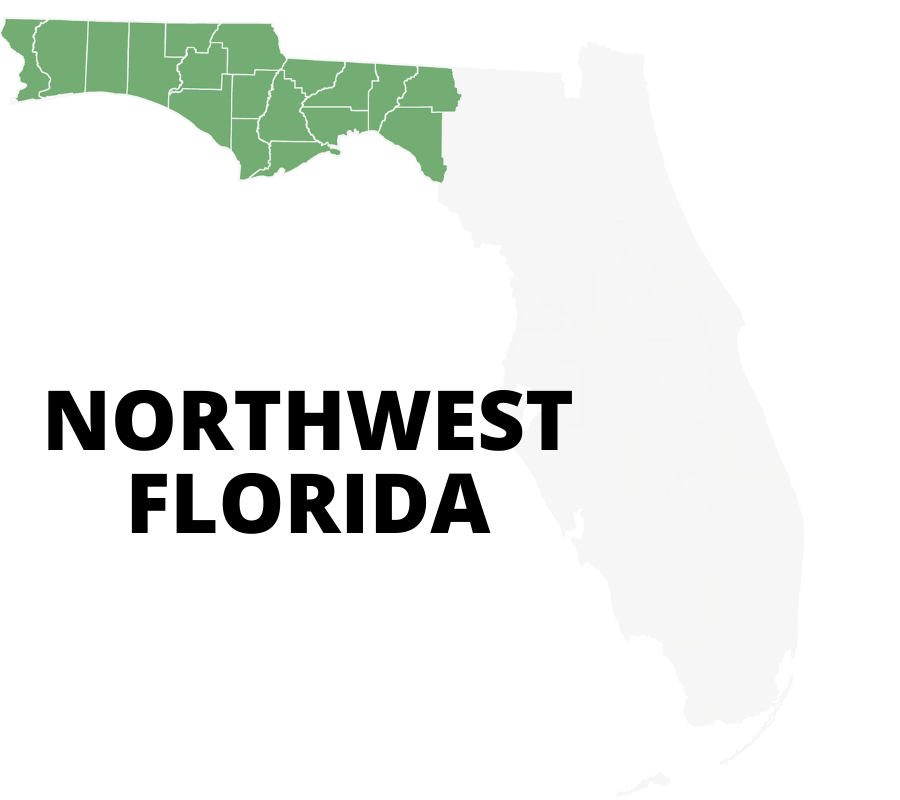
Northwest Florida Fishing Forecast
Primary destinations: Pensacola, Navarre, Destin, Panama City Beach, Port St. Joe, Apalachicola and St. George Island.
Best September targets: Red snapper, greater amberjack, bull redfish, king mackerel, blackfin tuna, mahi-mahi, mangrove snapper and vermilion snapper.
September is one of Northwest Florida’s strongest offshore months. The reopening of Florida’s private recreational red snapper season creates new opportunities on reefs, wrecks and hard-bottom areas throughout the Panhandle.
Greater amberjack is currently scheduled to reopen September 1. These powerful fish often hold around deeper wrecks, towers and high-profile structure. Because quota-related closures can occur, anglers should verify current status before departure.
King mackerel may gather around nearshore reefs, bait schools and coastal structure. Blackfin tuna, mahi-mahi and occasional wahoo remain possible farther offshore when current, water clarity and bait conditions align.
Inshore, bull redfish begin gathering around passes, bridges and deeper channels. Pensacola Pass, Destin’s East Pass, St. Andrews Pass and the entrances to St. Joseph and Apalachicola bays can all attract fish following bait movement.
Northwest Florida Trip Strategy
September gives Panhandle visitors an opportunity to combine red snapper with greater amberjack, king mackerel or other reef species. Before booking, clarify whether the boat holds a federal reef fish permit and which season rules will govern the trip.
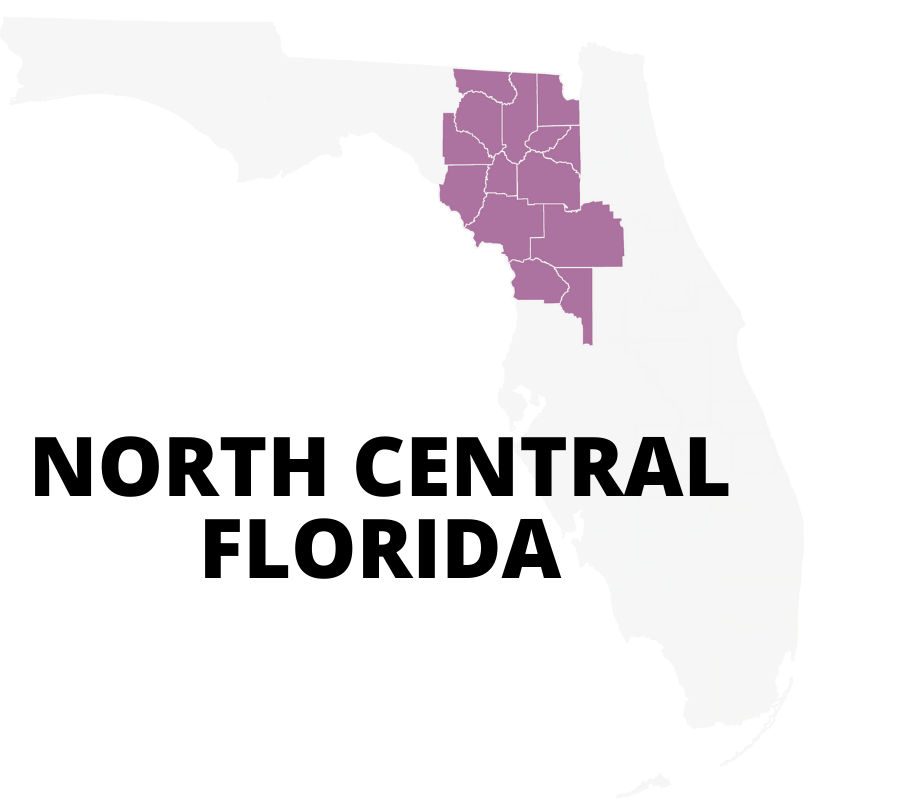
North Central Florida and Big Bend Fishing Forecast
Primary destinations: Steinhatchee, Keaton Beach, Cedar Key, Crystal River, Homosassa and the surrounding Big Bend coast.
Best September targets: Redfish, spotted seatrout, mangrove snapper, black drum, tripletail and coastal sharks.
September begins shifting the Big Bend away from its hottest summer patterns. Redfish become increasingly active around oyster bars, creek mouths, mangrove shorelines and areas holding mullet.
Spotted seatrout can be found over deeper grass, channel edges and areas where current carries bait across vegetation. Lower-light periods remain important, but improving fall conditions may gradually extend the productive bite farther into the day.
Mangrove snapper continue holding around rocky structure, artificial reefs, channel edges and bridges. Tripletail may appear around markers, floating debris and other objects that concentrate bait.
Spring-influenced areas near Crystal River and Homosassa can provide cooler water and active fish when September temperatures remain high.
Big Bend Trip Strategy
Plan the trip around water depth and tide movement. Big Bend fishing often depends on having enough water to reach productive creek mouths, oyster bars and grass edges safely. First-time visitors benefit from hiring a guide familiar with the region’s rocky and tide-sensitive coastline.
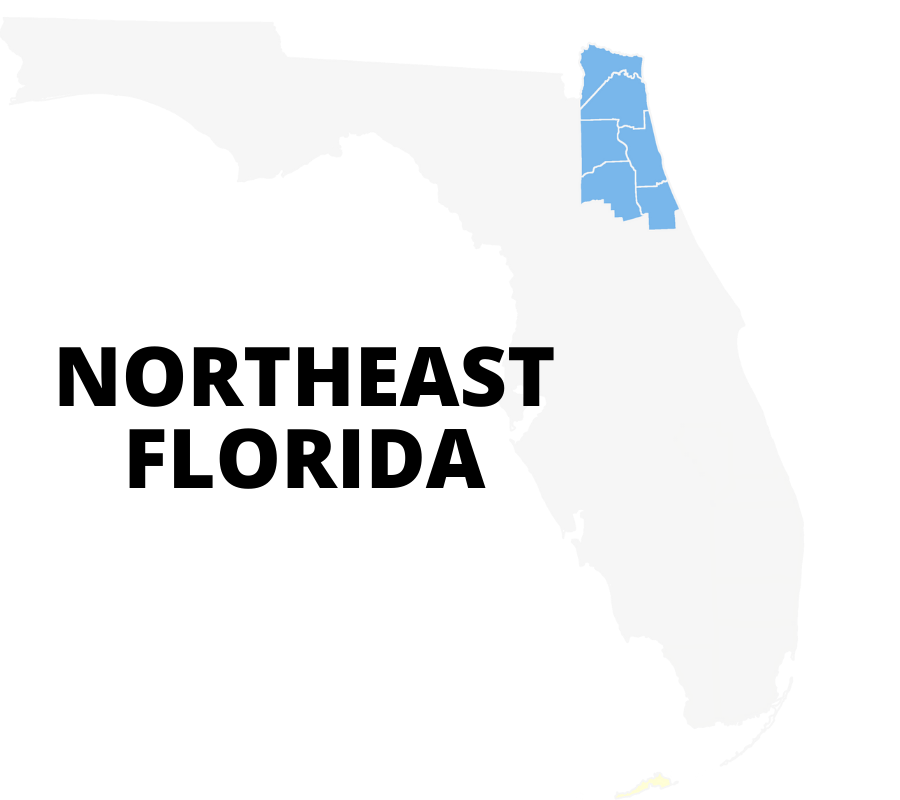
Northeast Florida Fishing Forecast
Primary destinations: Fernandina Beach, Amelia Island, Jacksonville, Ponte Vedra Beach, St. Augustine and Palm Coast.
Best September targets: Tarpon, bull redfish, snook, jack crevalle, sharks, flounder, king mackerel and Spanish mackerel.
Northeast Florida often receives some of the Atlantic Coast’s earliest concentrated mullet movement. Schools moving through beaches, the St. Johns River, Nassau Sound, St. Marys Inlet and St. Augustine Inlet can attract large predators.
Tarpon, jack crevalle and sharks may attack bait schools along the beaches, while bull redfish gather around inlets, river mouths and deeper channels. Smaller redfish remain available throughout the region’s creeks and marsh systems.
Flounder begin responding to moving bait around inlet structure, creek mouths and channel edges. Nearshore anglers may also encounter king mackerel, Spanish mackerel and bonito around bait schools and reef structure.
Northeast Florida Trip Strategy
Choose a captain who can move between marsh, inlet, beach and nearshore water. The most productive September location may change quickly according to tide, wind and where the mullet schools appear.
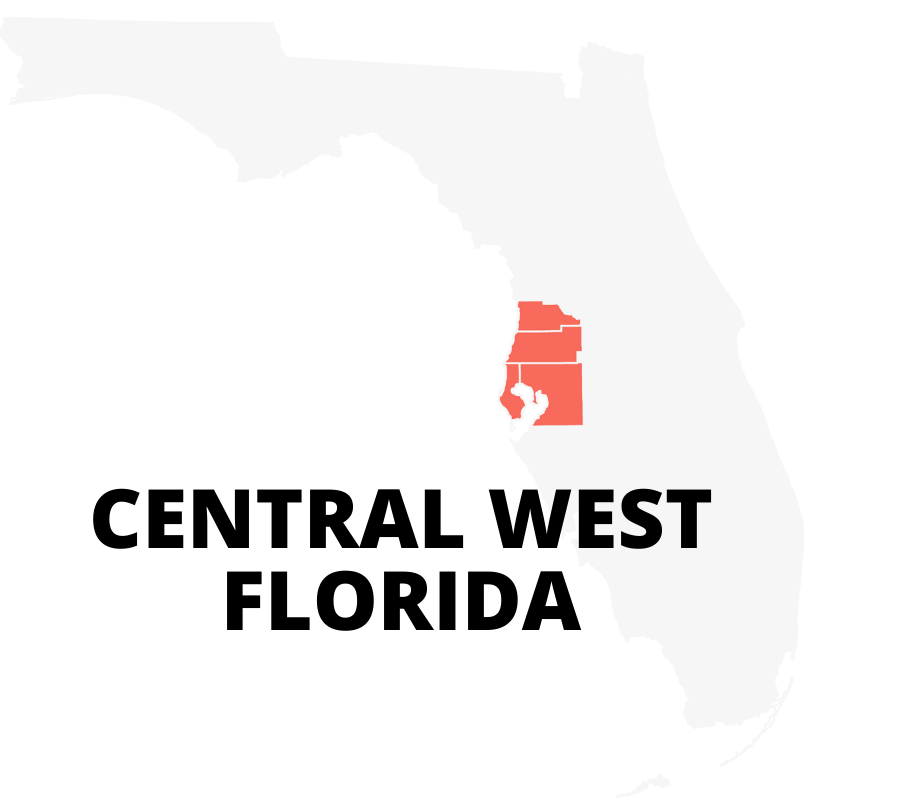
Central West Florida Fishing Forecast
Primary destinations: Tampa Bay, Clearwater, St. Petersburg, Tarpon Springs, Anna Maria Island and Sarasota.
Best September targets: Redfish, snook, mangrove snapper, tarpon, black drum, permit and offshore reef species.
Redfish begin gathering around mangrove shorelines, flats, oyster bars and passes as bait movement increases. Larger schools may develop inside Tampa Bay and around coastal islands.
Snook harvest generally reopens September 1 in the Tampa Bay and Sarasota Bay regions, subject to each region’s slot limit and bag regulations. Beaches, passes, bridges and mangrove shorelines remain productive areas.
Mangrove snapper continue providing dependable action around bridges, rock piles, reefs and wrecks. Permit may remain available around offshore structure, while resident tarpon can be encountered near bridges, passes and bait concentrations.
Central West Florida Trip Strategy
Consider a mixed trip that begins with redfish or snook during the early tide and shifts to mangrove snapper after sunrise. This approach can create steady action without requiring a long offshore run.
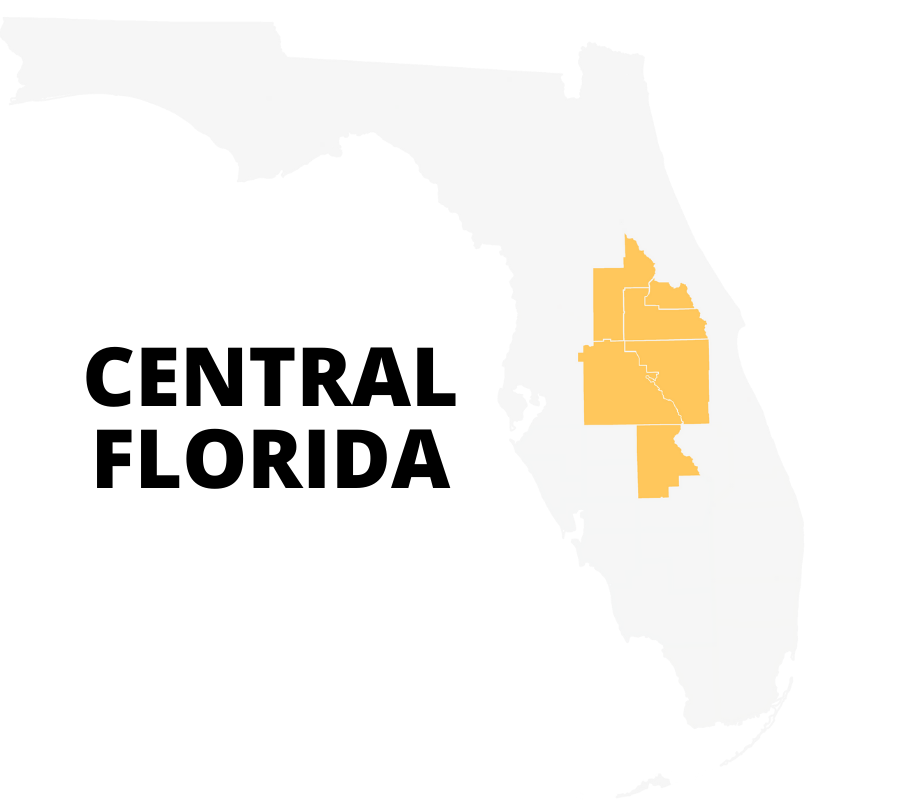
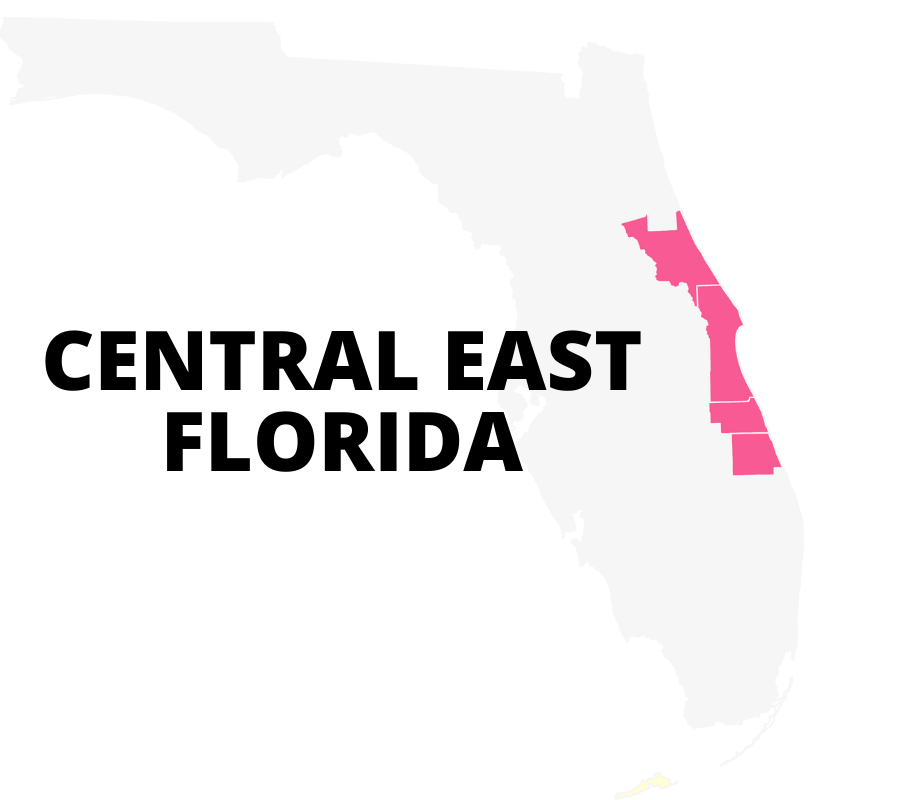
Central East Florida Fishing Forecast
Primary destinations: Daytona Beach, New Smyrna Beach, Cape Canaveral, Cocoa Beach, Sebastian and Vero Beach.
Best September targets: Tarpon, snook, jack crevalle, redfish, sharks, king mackerel, blackfin tuna and mahi-mahi.
September is a defining month for Central East Florida. Mullet begin moving through Ponce Inlet, Mosquito Lagoon, Port Canaveral, Sebastian Inlet and adjacent beaches, attracting some of the coast’s largest predators.
Tarpon may follow bait schools along the beach or gather around inlets. Snook concentrate near jetties, bridges and current breaks, while jack crevalle and sharks create highly visible surface action.
Redfish remain available inside the lagoons and may also gather near inlet mouths. Offshore anglers can target king mackerel, bonito and blackfin tuna around reefs and bait schools. Mahi-mahi remain possible farther offshore when favorable current and floating structure are present.
Central East Florida Trip Strategy
Do not commit to one location before reviewing recent bait reports. A productive September trip may involve following the mullet between beach, inlet and lagoon environments as tides change.
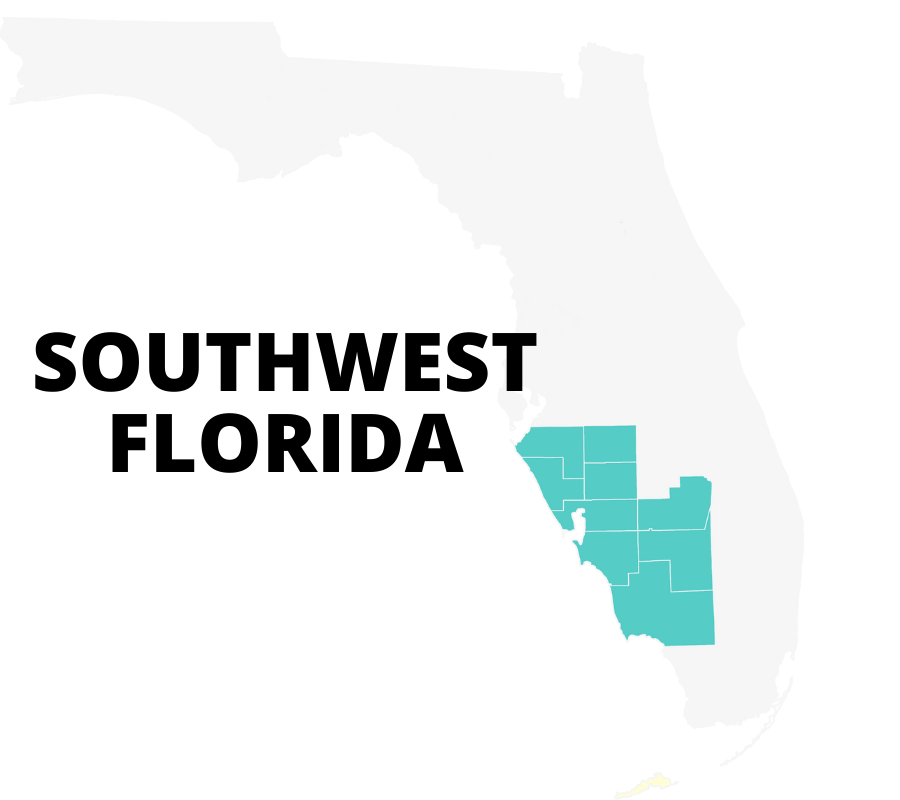
Southwest Florida Fishing Forecast
Primary destinations: Boca Grande, Charlotte Harbor, Fort Myers, Cape Coral, Sanibel, Naples, Marco Island and the Ten Thousand Islands.
Best September targets: Redfish, catch-and-release snook, tarpon, mangrove snapper, permit, sharks and jack crevalle.
September redfish activity improves around mangrove islands, creek mouths, oyster shorelines and shallow bays. Schools may gather around mullet and other bait, particularly during strong tidal movement.
Snook remain active around passes, beaches, bridges and mangrove structure. Recreational snook harvest remains closed through September 30 in the Charlotte Harbor and Southwest management regions, making September a catch-and-release month in these areas.
Tarpon may remain available in Charlotte Harbor, coastal passes and deeper channels. Mangrove snapper provide consistent action around bridges, docks and nearshore structure.
Southwest Florida Trip Strategy
Build the trip around tide movement and protected-water options. The Ten Thousand Islands can provide excellent alternatives when wind makes open coastal water uncomfortable.
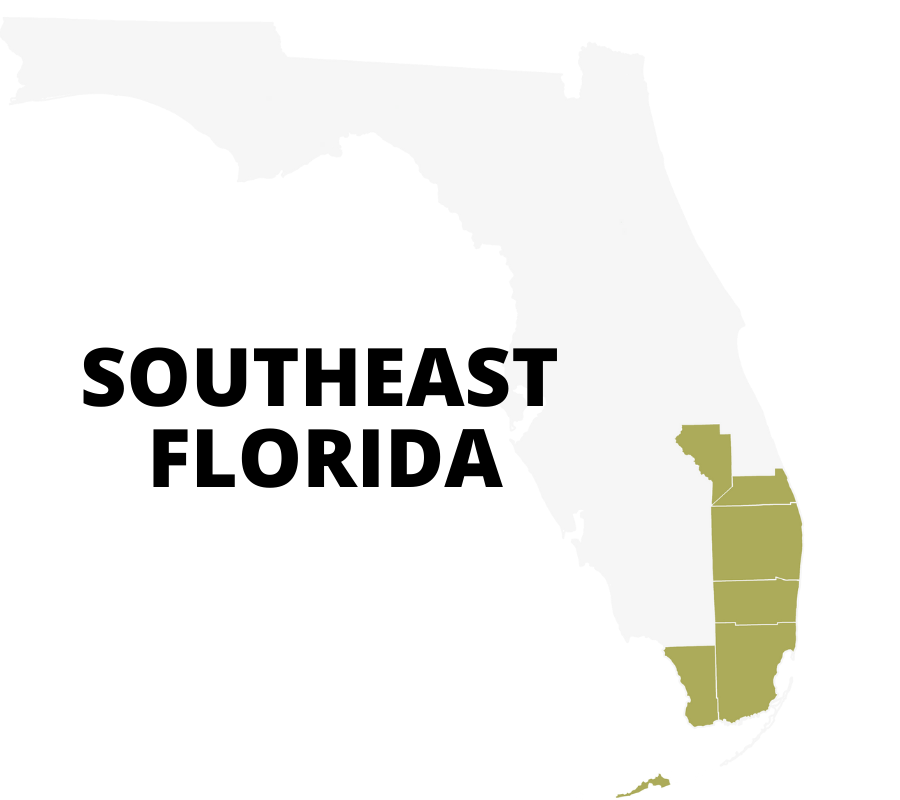
Southeast Florida Fishing Forecast
Primary destinations: Palm Beach, Fort Lauderdale, Miami, Biscayne Bay and the South Florida canal system.
Best September targets: Snook, tarpon, jack crevalle, sharks, mahi-mahi, blackfin tuna, sailfish and peacock bass.
The Atlantic mullet migration begins influencing Southeast Florida beaches and inlets during September. Snook, tarpon, jack crevalle and sharks may attack bait schools close to shore, sometimes within casting range of the beach.
Snook harvest generally reopens September 1 in the Southeast management region, subject to current slot limits and bag rules. Anglers should verify the exact regional boundary and regulations before keeping a fish.
Offshore, mahi-mahi may remain available around current edges, floating debris and weed lines. Blackfin tuna, wahoo and sailfish become possible where bait and Gulf Stream conditions align.
South Florida canals continue offering excellent peacock bass fishing when ocean conditions are poor.
Southeast Florida Trip Strategy
Maintain two trip options: an ocean plan and a canal or inshore backup. Weather can change quickly in September, and South Florida’s variety allows anglers to preserve a fishing day by changing environments.
Florida Keys Fishing Forecast
Primary destinations: Key Largo, Islamorada, Marathon, Big Pine Key and Key West.
Best September targets: Yellowtail snapper, mutton snapper, blackfin tuna, mahi-mahi, swordfish, bonefish, permit and tarpon.
September is a transitional month in the Keys. Reef fishing remains productive for yellowtail snapper, while wrecks and deeper structure can hold mutton snapper, African pompano and other bottomfish.
Blackfin tuna may gather around offshore humps, and mahi-mahi remain possible around favorable current, floating debris and weed lines. Daytime swordfish trips provide a specialized deepwater option.
On the flats, bonefish, permit and resident tarpon remain available during suitable tides and lower-light periods. Regular spiny lobster season also continues throughout September.
Florida Keys Trip Strategy
Select the destination according to the desired fishing environment. Key Largo and Islamorada provide strong reef and offshore access. Marathon offers flexible family-oriented fishing, while the Lower Keys and Key West combine flats, backcountry, reef and bluewater opportunities.
Best Freshwater Fishing in Florida During September
September remains warm, but freshwater fishing begins moving toward fall patterns. Shorter days, rain-driven current and increasing bait movement can create productive windows for largemouth bass, crappie, panfish and river species.
Early topwater fishing remains effective around vegetation, reeds, pads and shallow structure. As the sun rises, bass often move toward deeper grass, shade, brush and channel edges.
Storm runoff may increase flow around canals, culverts, creek mouths and spillways. These areas can concentrate bait and create short but productive feeding periods after weather conditions become safe.
Kissimmee Chain of Lakes
Primary target: Largemouth bass.
Healthy vegetation, hydrilla, pads and offshore grass continue holding fish. Topwater lures can produce early, followed by worms, swimbaits and heavier presentations around deeper vegetation.
Harris Chain of Lakes
Primary targets: Largemouth bass, crappie and panfish.
Current between connected lakes, canal mouths, offshore vegetation and shell beds can all hold bass. Crappie activity begins gradually improving as fall approaches, although consistently cooler conditions are still ahead.
St. Johns and Suwannee Rivers
Primary targets: Largemouth bass, Suwannee bass, panfish, catfish and striped or hybrid bass in suitable areas.
Current, creek mouths, deeper bends, spring-influenced water and shaded structure can all concentrate fish. Rainfall and river level can significantly affect access, clarity and fish location.
South Florida Peacock Bass
Primary targets: Butterfly peacock bass and largemouth bass.
Peacock bass remain active in warm canals throughout September. Bridges, culverts, seawalls, canal intersections and areas of flowing water can all produce fish.
September Fishing Regulations and Seasonal Openings
- Private recreational Gulf red snapper: Open daily September 1 through October 4.
- Federally permitted Gulf for-hire red snapper: Open through October 25, 2026.
- Gulf greater amberjack: Currently scheduled to reopen September 1 after remaining closed through August 31.
- Gulf gag grouper: The 2026 federal recreational season is scheduled for September 1 through September 30. Confirm corresponding state-water rules and current status before fishing.
- Snook: Harvest reopens September 1 in most management regions. Charlotte Harbor and Southwest Florida remain closed through September 30.
- Spiny lobster: Regular recreational season remains open through March 31.
Fishing seasons, emergency closures, bag limits and regional boundaries can change. Consult FWC, NOAA Fisheries and the captain or guide immediately before every trip.
Review current Florida saltwater regulations
How to Plan a Better September Fishing Trip
Follow the Bait
September fishing is driven by movement. Current reports about mullet, glass minnows and offshore bait concentrations may be more valuable than relying on a single traditional fishing location.
Book Around the Red Snapper Season
Private Gulf red snapper is open daily throughout September, but vessel permits still matter. Confirm whether the trip will operate under private, state-water charter or federal for-hire regulations.
Use Moving Water
Strong tides can concentrate bait around inlets, bridges, passes, reef structure and mangrove shorelines. Match the trip’s departure time to the strongest productive tide rather than selecting a time based only on convenience.
Protect the Trip From Weather
September remains within hurricane season. Travelers should review cancellation policies, consider travel protection and select destinations with protected-water fishing alternatives.
Handle Large Fish Carefully
Tarpon, snook, bull redfish and sharks require proper tackle and careful handling. Minimize fight time, support fish correctly and keep large tarpon in the water unless legally pursuing a record with the required tag.
Why September Works for a Florida Fishing Vacation
- Post–Labor Day crowds are generally lower.
- Warm water keeps numerous saltwater species active.
- Gulf red snapper returns for private recreational anglers.
- The Atlantic mullet migration creates dramatic inshore action.
- Weekday charter and lodging availability may improve.
- Families can combine fishing with beaches and other destination experiences.
- Many regions provide inshore, offshore and freshwater alternatives.
Looking Ahead to October Fishing in Florida
October brings Florida deeper into its fall fishing cycle.
- The Atlantic mullet migration often reaches peak or near-peak intensity.
- Bull redfish remain active around passes and inlets.
- King and Spanish mackerel movement strengthens.
- Selected Gulf red snapper dates continue after October 4.
- The federal Gulf for-hire red snapper season continues through October 25.
- Cooler conditions improve bass and crappie fishing.
- South Florida sailfish and wahoo opportunities begin developing.
October weekends can fill around red snapper openings, tournaments and preferred moon or tide periods. Anglers planning a fall trip should reserve captains and waterfront accommodations early.
Plan Your September Florida Fishing Vacation
September connects two seasons. Summer species remain active, but fall migrations, reopening seasons and changing bait patterns create entirely new opportunities.
An angler might catch red snapper from a Panhandle reef, follow bull redfish through a Gulf pass, watch tarpon attack mullet near an Atlantic inlet, cast to bonefish in the Keys or spend a morning chasing peacock bass in a South Florida canal.
Use Great Florida Fishing to explore:
- Regional Florida fishing forecasts
- Florida fishing destinations
- Charter captains and fishing guides
- Marinas and waterfront communities
- Fish-and-stay vacation opportunities
- Seasonal fishing regulations
- Tournaments and special events
Follow the season. Follow the bait. Find the Florida fishing trip built for September.
Fishing Information Disclaimer
Fishing conditions, seasons, regulations, emergency closures and catch limits may change after publication. Great Florida Fishing provides trip-planning information but is not a regulatory authority. Anglers are responsible for confirming all applicable Florida Fish and Wildlife Conservation Commission, NOAA Fisheries, federal, state and local regulations before fishing.